为什么演唱会的可乐卖 5 美元还有人抢?这本神书,专治生活里的"想不通"
你有没有过这种时刻:平时一瓶可乐两块钱都嫌贵,可在燥热的露天演唱会散场后,嗓子冒烟,摊位上 5 美元一瓶的可乐你眼睛都不眨就买了,喝完还觉得"真值"。
同样一瓶可乐,价格没变,你却从"嫌贵"变成"感激"——这中间的弯弯绕,藏着经济学最迷人的逻辑。而把它讲得最通俗的,是一本叫《牛奶可乐经济学》的书。
它的作者罗伯特·弗兰克,是美国康奈尔大学的经济学教授。但他写这本书的目的,不是教你炒股致富,而是教你用一双"经济学的眼睛",把那些"明明不对劲又说不清"的生活瞬间,看得清清楚楚。
一、5 美元的可乐,凭什么你不觉得亏?
先说回那瓶可乐。
经济学家给这种"明明贵却甘愿掏钱"的现象起了个名字:消费者剩余。
说人话就是——你心里愿意为这瓶水付的最高价,和实际付的价之间的差额。它衡量的是你从这次消费里获得的"额外满足"。
散场前,你愿意为解渴付的最高价可能是 10 美元;摊主只收你 5 美元。那中间差的 5 美元,就是你的"额外满足"。所以你掏钱时毫不纠结,事后也不觉得亏——因为你赚到的,远不止这瓶糖水。
这就是价格的真相之一:价格本身没变,变的是你当下的"支付意愿"。 理解了这一点,你就看懂了为什么景区的水、春运的票、暴雨天的打车费,总是贵得"理直气壮"。
▶ 生活启示: 下次觉得"这东西不值这个价"时,先问自己——我此刻愿不愿意付更多?如果答案是"愿意",那这桩买卖里,你其实没吃亏。
二、每个人都在精明算计,为什么结果却更糟?
《牛奶可乐经济学》里更深刻的一层,是弗兰克对"个体理性、集体悲剧"的剖析。
当每个人都只盯着自己的利益最大化,结果往往不是"大家都好",而是资源被过度消耗,最后所有人一起受害。这听起来抽象,弗兰克却用一堆日常案例把它讲活了:
- ▶ 变道博弈: 每个司机都抢着加塞变道,以为能快一点,结果所有人都慢下来,高速反而更堵。
- ▶ 广告军备竞赛: 每家公司都拼命砸钱打广告,想压过对手,结果消费者的敏感度被反复轰炸到麻木,谁也没多卖多少,钱却白烧了。
- ▶ 装修内卷: 每个家庭都越装越豪华,想显得不落伍,结果"平均标准"被不断抬高,大家花的钱更多,可"相对幸福感"不升反降。
这些现象背后,是一条冷峻的逻辑:微观上每个选择都合理,宏观上却可能酿成灾难。
那怎么办?弗兰克的主张很明确——公共政策的制定者,必须设计"激励机制":让每个人为自己的选择付出"真实成本"。比如拥堵费,让抢道的人真金白银地为占用道路买单,大家才会理性地少开车。当"代价"被正确定价,个体的自利,反而能逼向社会最优。
▶ 生活启示: 如果你发现"人人都这么做,但大家都更累",别只怪别人精明——先看看是不是少了那根"让代价显形"的指挥棒。
三、经济学不是术语,是看世界的"显微镜"
整本书读下来,最打动人的,不是那些模型,而是那些"我也遇到过"的时刻。弗兰克像在你耳边发问:
- 为了一张电影票排队 20 分钟,你真的省钱了吗?还是把时间贱卖给了"省下的那几块钱"?
- 商场打折时多买两件,你到底是赚了,还是被"凑单"悄悄赚走了?
- 为什么名校毕业生宁愿去拿低薪实习,也不选高薪销售?——因为他们在买"信号"和"期权",不是只看当下的薪水。
弗兰克在这些"生活中的困惑"里,找到了经济学的光。他把混沌的日常,拆解成清晰的博弈、激励、成本与偏好模型。
更难得的,是他还不用术语吓退读者。没有公式,没有黑话,全是一个个故事、比喻和追问,引着你一步步用经济学的脑子重看世界。
四、这本书不教你变富,教你变"通透"
《牛奶可乐经济学》的野心其实很小,也很大——它不承诺让你财务自由,却想送你一种"通透"的底气。合上书,你会带走三句话:
- 每一个价格,都是行为、偏好和权利的反映。 牛奶为什么比可乐贵?不是因为牛奶"更高级",而是易损、要冷链、运输重量摊薄了成本——价格背后是一整套约束。
- 每一次"占便宜",可能都是一笔隐藏的交易。 免费的最贵,赠品里藏着你想不到的代价。
- 每一个"自由选择",都可能对别人造成影响。 你的变道、你的多买、你的内卷,都在悄悄改写别人的处境。
弗兰克不是在讲教科书经济学,他是在传授一种思维方式:世界不是随机和混乱的,它有一套运转的逻辑。
你不必成为经济学家。但你可以用经济学家的方式思考。
结语
从"为什么牛奶比可乐贵"这个看似无聊的问题开始,弗兰克带着我们看见:那些我们习以为常、却从没想透的生活细节里,藏着一整套精密的因果。
下一次,当你又为"该不该买""划不划算""凭什么是我吃亏"而纠结时,不妨停三秒,问自己一句:
如果用经济学家的眼睛看,这背后的激励、成本和偏好,到底是什么?
这一眼,可能就是你看清世界、做出更聪明选择的开始。
高登思考
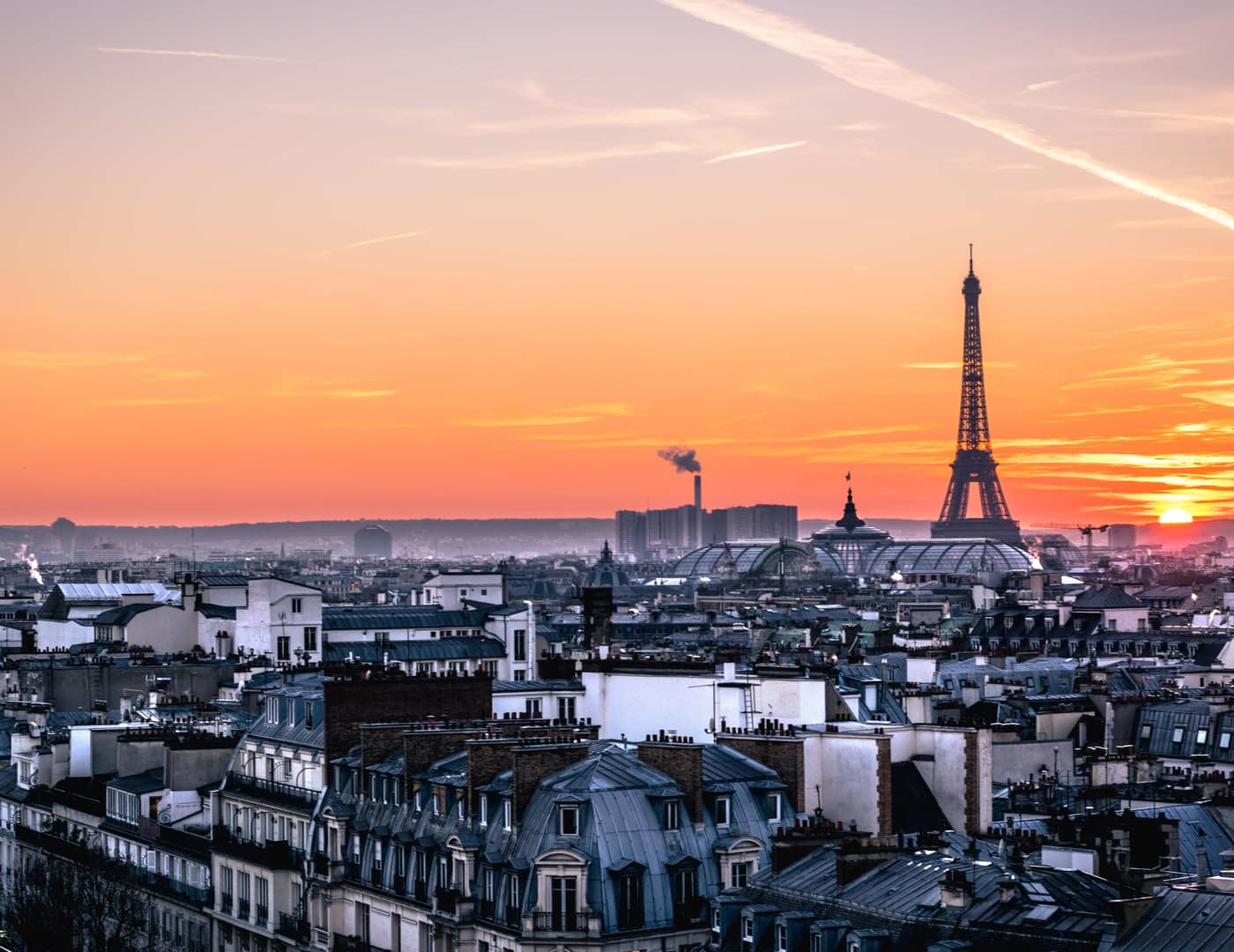
写这篇时我正坐在巴黎,做的正是中国品牌出海欧洲的生意。合上弗兰克的书,最戳我的是那句"每个人的理性选择,可能酿成集体的灾难"——这不就是我们在海外亲眼看到的价格战吗?每家都理性地降价抢份额,最后全行业一起把利润卷没。而"支付意愿"那一课更直白:欧洲消费者愿付的,从来不是最低价,是信任与真的本地化。
所以这本书对我,远不止通识——它是一副能直接带进出海牌桌的显微镜。
在欧洲,便宜赢不了,值得,才赢。
Why a $5 Concert Cola Feels Like a Steal — The Book That Demystifies Everyday Life
Have you ever had this moment: you normally grumble at paying ¥2 for a cola, yet after a sweaty open-air concert, parched and hoarse, you buy a $5 bottle from the stall without blinking — and feel it was "totally worth it"?
Same bottle, same price — yet you went from "too expensive" to "so grateful". The twist in between hides the most fascinating logic of economics. And the book that explains it most plainly is The Economic Naturalist (牛奶可乐经济学), by Robert Frank.
Its author, Robert Frank, is a professor of economics at Cornell. But he didn't write it to make you rich from stocks; he wrote it to give you a pair of "economic eyes" to see clearly those everyday moments that feel wrong yet are hard to put into words.
1. Why a $5 cola doesn't feel like a loss
Let's go back to that bottle.
Economists have a name for the "clearly expensive yet happily paid" phenomenon: consumer surplus.
In plain terms: it is the gap between the highest price you would willingly pay and what you actually pay. It measures the "extra satisfaction" you get from the purchase.
Before the show, the most you'd pay to quench that thirst might be $10; the stall charges $5. That $5 difference is your "extra satisfaction". So you pay without hesitation and feel no loss afterwards — because what you gained is far more than sugared water.
This reveals one truth about price: the price hasn't changed; what changed is your "willingness to pay" at that moment. Understand this and you'll see why water at scenic spots, tickets during Spring Festival travel, and rides in a rainstorm always cost "perfectly justifiably".
▶ Life takeaway: next time you think "this isn't worth the price", ask yourself — would I actually pay more right now? If the answer is yes, then in this deal you didn't lose out.
2. Everyone calculates smartly — so why do the results get worse?
A deeper layer in The Economic Naturalist is Frank's dissection of "individual rationality, collective tragedy".
When everyone only maximizes their own interest, the result is often not "everyone wins" but over-consumption of resources, until everyone suffers together. Abstract? Frank brings it alive with everyday cases:
- ▶ The lane-changing game: every driver cuts in, thinking they'll go faster; everyone slows down, and the highway jams worse.
- ▶ The advertising arms race: every company pours money into ads to out-shout rivals; consumers grow numb from the bombardment, nobody sells much more, and the money is simply burned.
- ▶ Renovation involution: every household renovates more lavishly to stay current; the "average standard" keeps rising, everyone spends more, yet relative happiness falls rather than rises.
Behind these lies a cold logic: every choice is rational at the micro level, yet collectively they can brew disaster.
So what to do? Frank is clear: policymakers must design "incentives" that make each person pay the "true cost" of their choice. A congestion charge, for instance, makes lane-hoggers pay real money for occupying the road, so people rationally drive less. When costs are priced correctly, individual self-interest can be steered toward the social optimum.
▶ Life takeaway: if you notice "everyone does this, yet everyone is more exhausted", don't just blame others' cleverness — check whether the "baton" that makes costs visible is missing.
3. Economics isn't jargon — it's a "microscope" for viewing the world
What moves you most across the book isn't the models, but the "I've been there too" moments. Frank whispers questions in your ear:
- Queueing 20 minutes for a movie ticket — did you really save money, or sell your time cheap to "the few yuan saved"?
- Buying two extra items on sale — did you gain, or were you quietly taken by the "minimum-spend" trap?
- Why do elite grads take low-paid internships instead of high-paid sales jobs? Because they're buying "signals" and "options", not just today's salary.
In these "daily puzzles" Frank finds the light of economics. He takes apart the chaotic everyday into clear models of game, incentive, cost and preference.
Rarer still, he doesn't scare readers off with jargon. No formulas, no buzzwords — just stories, metaphors and questions, leading you step by step to re-see the world with an economic mind.
4. This book won't make you rich — it makes you "clear-sighted"
The ambition of The Economic Naturalist is small, yet large — it promises no financial freedom, but offers you the confidence of being "clear-sighted". Close the book and you take away three lines:
- Every price reflects behaviour, preference and rights. Why is milk dearer than cola? Not because milk is "nobler", but because it's perishable, needs cold chain, and its weight spreads the transport cost — behind the price lies a whole system of constraints.
- Every "bargain" may be a hidden transaction. Free is the dearest; gifts hide costs you'd never expect.
- Every "free choice" may affect others. Your lane change, your over-buying, your involution — all quietly rewrite someone else's situation.
Frank isn't teaching textbook economics; he's passing on a way of thinking: the world isn't random or chaotic — it runs on a logic.
You needn't become an economist. But you can think like one.
Closing
Starting from the seemingly boring question "why is milk dearer than cola", Frank leads us to see: within the everyday details we take for granted yet never truly think through, hides a precise system of cause and effect.
Next time you agonise over "should I buy", "is it worth it", "why am I the one losing out", pause three seconds and ask:
Through an economist's eyes, what are the incentives, costs and preferences behind this?
That one glance may be the start of seeing the world clearly and making smarter choices.
Gordon's reflection
I'm writing this sitting in Paris, in the business of taking Chinese brands to Europe. Closing Frank's book, what struck me most is that line — "everyone's rational choice can brew collective disaster" — isn't that exactly the price war we've witnessed overseas? Each company rationally cuts prices to grab share, until the whole industry erases its profits together. And the lesson on "willingness to pay" is even blunter: what European consumers pay for was never the lowest price, but trust and genuine localisation.
So for me this book is far more than general knowledge — it's a microscope I can take straight to the overseas negotiating table.
In Europe, cheap doesn't win; only worth wins.